Sept 14-16, 2026, Cambridge, MA, USA

If you're here, you're (hopefully) registered to join your fellow Smithsonian colleagues this coming September 14-16 at the Smithsonian Astrophysical Observatory (SAO) in Cambridge. We'll use this site as the central, constantly updated hub for all workshop logistics. Bookmark it!

Scroll

Image credit: NASA/D. Pettit

01 · Three-Day Sprint

This is a working sprint, not a conference. While we'll begin Day One with some introductory talks on, say, what the heck a Digital Twin is, this isn't going to be a conference of scientists talking at each other. Instead we'll frame the problem together, form teams and build, then push toward working prototypes and a shared roadmap. Times below are a draft and will firm up as we get closer, but here's the gist:

Sun · Sept 13
Welcome reception & drinks. We'll almost definitely host this in the lounge/bar/restaurant area of the Sheraton Commander Hotel, where you'll all be staying (it makes it easier logistically, and many of you will be tired). Probably starting around 5pm and going until 8 or so. Super informal. We think we can buy the drinks, but will confirm if we can do it on gift funds (and sorry if we can't; you know how the government works). In any case, plan to get dinner yourself tonight (hopefully in self-organized groups! Note that you're still getting a per diem to cover food). The restaurant in the Hotel is good and there are a ton of restaurants in Harvard Square, a ~5 minute walk or a cheap Uber ride away. Just kidding! Nothing in Boston is cheap 🥴.
Discover Mon · Sept 14
  1. 09:00Coffee & kickoff. Why we're here, how the three days run, and the outcomes we're chasing. Pastries and coffee will be provided.
  2. 09:45Lightning talks. SAO, SERC & STRI each frame their data, their questions, and their constraints. We're aiming for 10ish minute talks on e.g. TEMPO, GCREW, ForestGEO etc. Grant will also give a "what is a digital twin and what the heck are we doing" introductory talk.
  3. 11:15Data & asset inventory. What we actually have in hand: TEMPO, MethaneSAT, ForestGEO, GCReW, Coastal Carbon Network.
  4. 12:30Lunch (provided) + informal cross-unit mixing.
  5. 14:00Problem framing. Cluster the questions worth three days of effort. Kill the ones that aren't.
  6. 15:30Team formation & scoping. Self-organize around problems; write a one-paragraph goal per team.
  7. 17:00Day-one readout. Each team states what it will build and what it needs.
  8. 18:00Self-organized Dinners We're not providing dinner tonight, but self-organized group dinners are encouraged. You'll get a per diem reimbursement for your Meals & Incidental Expenses. Want suggestions? Places to eat in Harvard Square | The Best Restaurants in Boston
Build Tue · Sept 15
  1. 09:00Stand-up. Two minutes per team: plan for the day, blockers on the table.
  2. 09:30Deep work — build block I. Heads down.
  3. 12:30Lunch + optional whiteboard clinics for stuck teams.
  4. 13:30Deep work — build block II. Integrate, wire data together, get something running end-to-end.
  5. 16:00Midpoint check-in. Honest status — what's working, what to cut to reach a demo.
  6. 16:50Group photo. This is the very first time that scientists from SAO, SERC, STRI, NMNH, and NZCBI have all gathered in the same room (!). Let's celebrate and commemorate that — and pledge that it won't be the last time.
  7. 17:00Wrap for the day. Happy hour at the hotel?
  8. 18:30Team dinner. Let's celebrate our successes and lament our failures. Restaurant details will be announced as soon as we have a plan (we're on it, seriously).
Prototype Wed · Sept 16
  1. 09:00Stand-up. Final sprint plan — what makes the demo, what doesn't.
  2. 09:30Finish block. Lock the prototypes. Prepare a 5-minute story per team.
  3. 11:30Demos & show-and-tell. Everyone presents. Working code and honest lessons both count.
  4. 13:00Lunch + reflections.
  5. 14:00Roadmap & next steps. What becomes Year-1 work, who owns it, what we propose next.
  6. 15:00Closeout. We're ending early today, at 3pm, to allow folks to head off to the airport and/or go explore the Boston area. Thanks for coming and let's absolutely stay in touch!

Big things have small beginnings

02 · Getting Here

We'll gather at the Smithsonian Astrophysical Observatory (which is part of the Center for Astrophysics | Harvard & Smithsonian ... we'll brag about fill you in on the history of this legendary organization when you get here, just smile and nod). SAO is at the top of observatory hill (a staggering 80 feet above sea level). It's at 60 Garden Street, Cambridge, MA. Our buildings are labyrinthine, so we'll have greeters and ample signage. Lunches will be provided on all three days.

◎ The space

Room to spread out and build

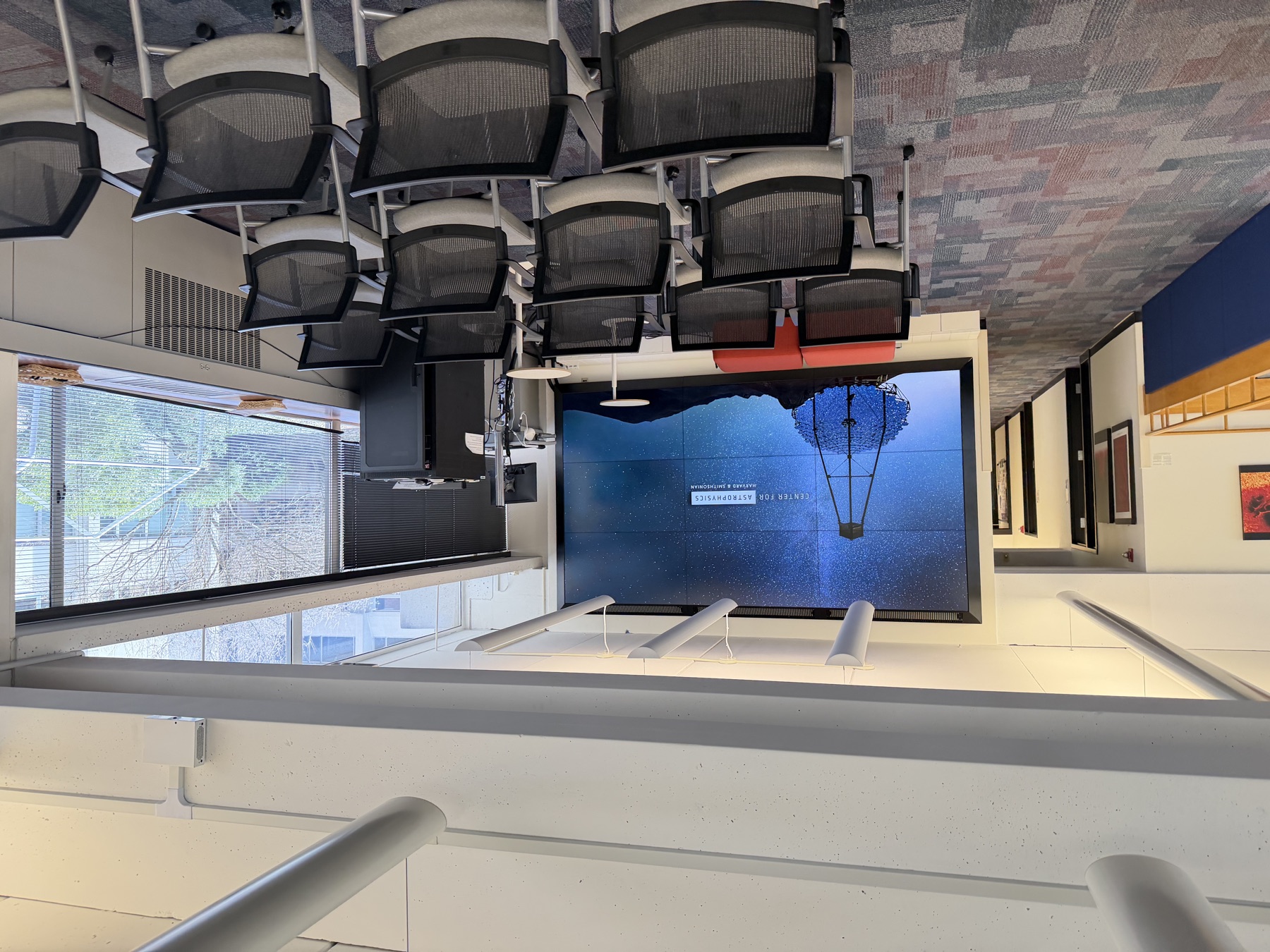
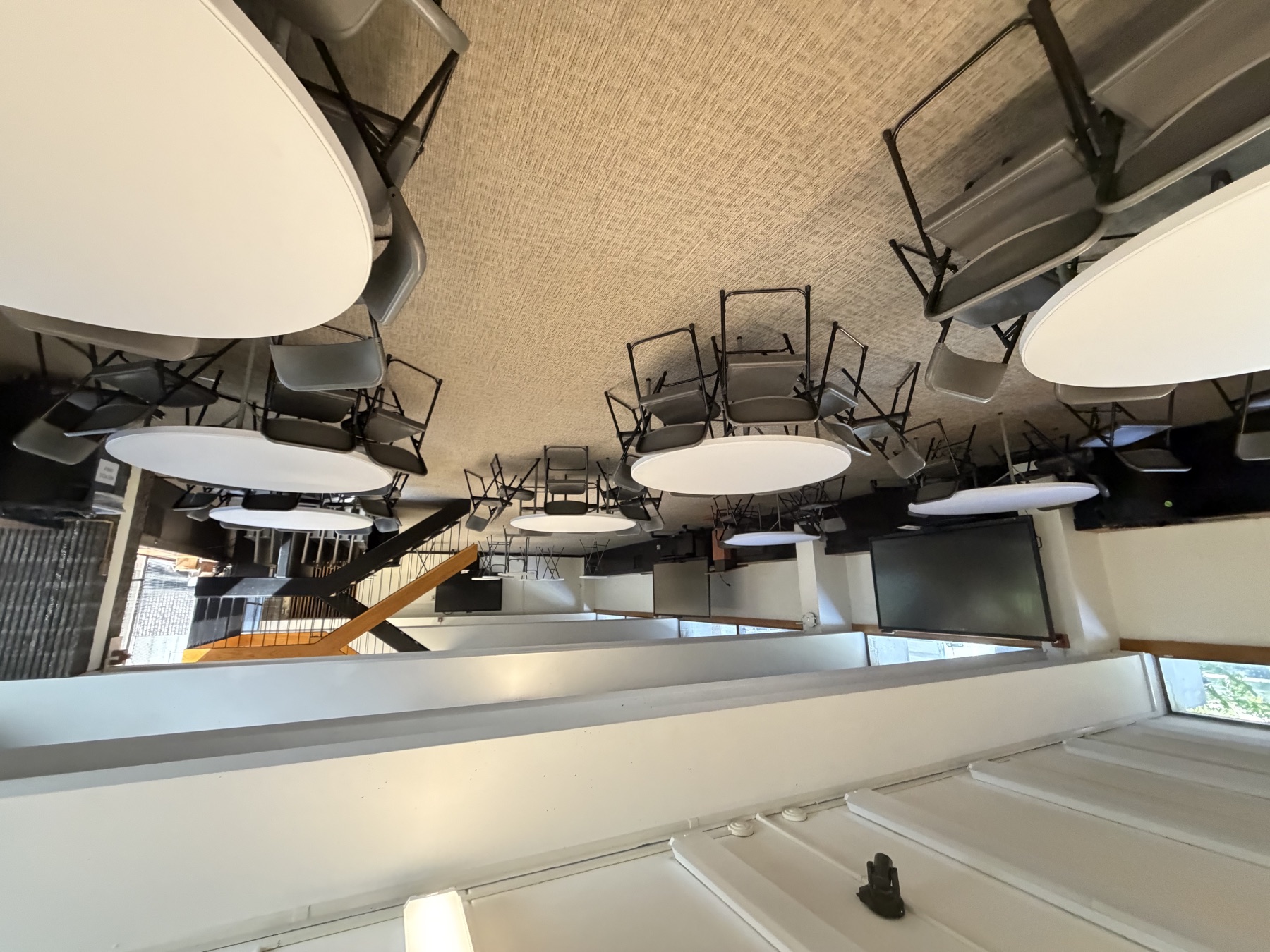
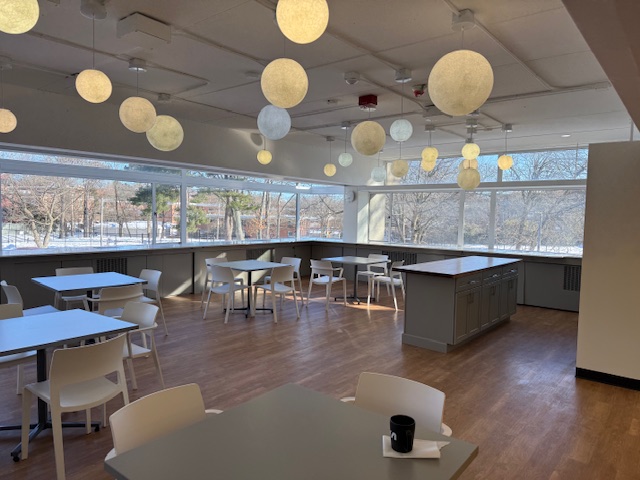
Sessions run across SAO's conference rooms up on Observatory Hill — light-filled spaces with big windows over the campus, the Center for Astrophysics video wall for demos, and plenty of room to cluster into teams and think out loud. Greeters and signage will steer you through our labyrinthine buildings.

Lunch is provided on all three days.

An SAO conference room with rows of chairs facing a large video wall showing the Center for Astrophysics logo.
A flexible meeting room at SAO with round tables and chairs beside tall windows.
A bright common room at SAO with globe pendant lights, tables, and big windows onto the wooded campus.

The venue

SAO · 60 Garden Street, Cambridge, MA 02138. A short walk from Harvard Square and the Red Line. Sessions run in the SAO conference spaces; badges and room details on arrival.

Flying in

Fly into Boston Logan (BOS) — about 20–30 minutes to Cambridge by cab, rideshare, or the Silver Line + Red Line. Aim to arrive Sunday, Sept 13 for the evening reception.

☾ Where you're staying

Sheraton Commander Cambridge

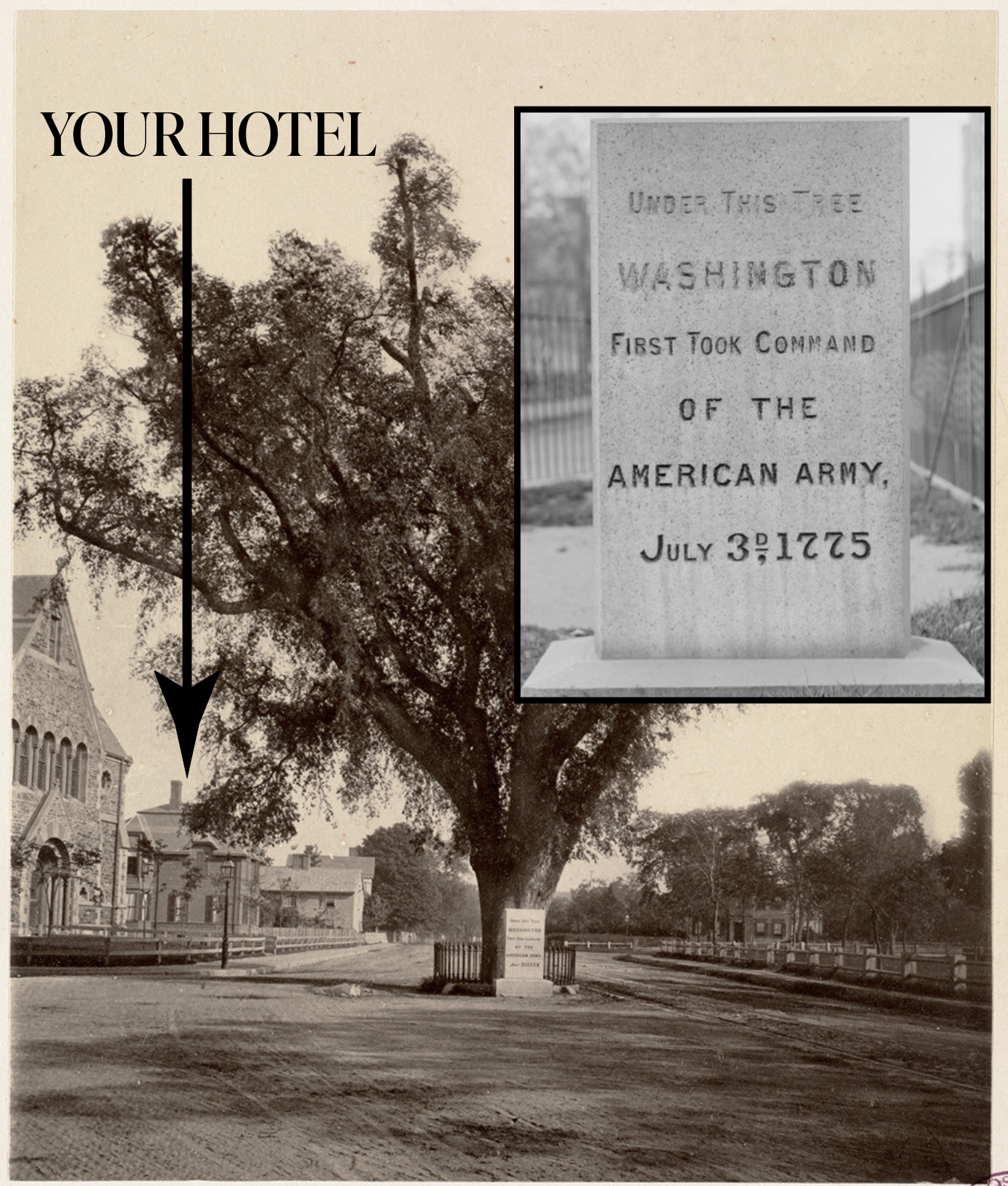
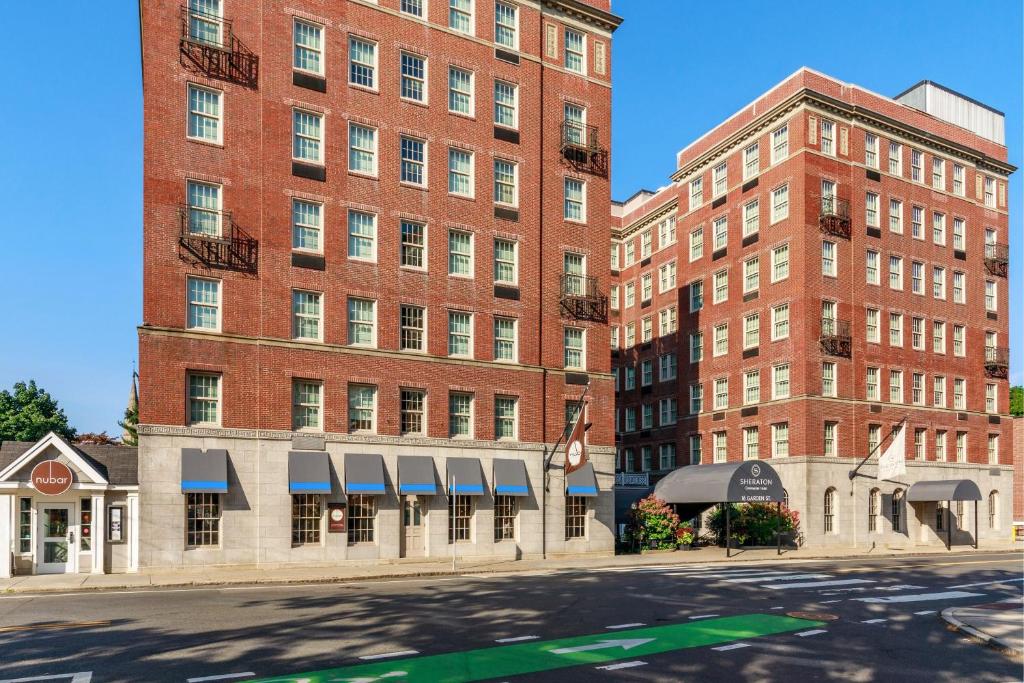
We're holding a block of govt-rate rooms at the historic Sheraton Commander, 16 Garden Street, a two-minute walk to SAO at 60 Garden Street. It has freshly renovated rooms, a bar and restaurant (which is pretty good, actually), fitness center, and cool history.

Our Travel team will forward you your reservation details.

Vintage photo of Garden Street, Cambridge, with an arrow marking "your hotel" and the Washington Elm monument.
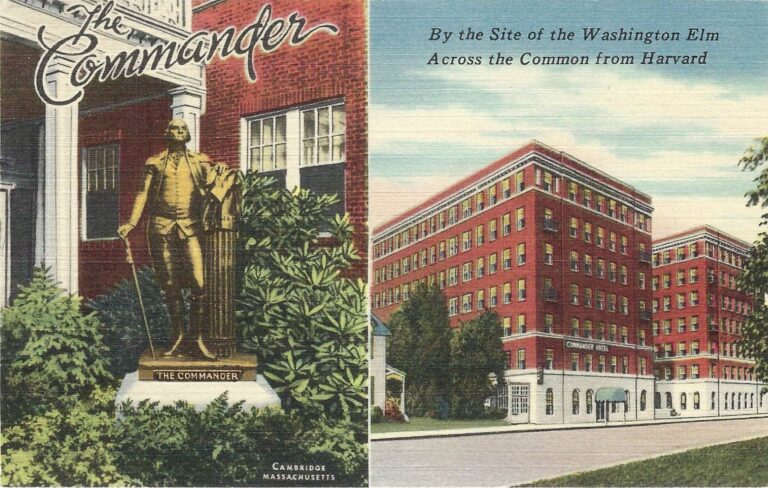
Vintage postcard of The Commander hotel, "across the Common from Harvard."
The Sheraton Commander hotel today, at 16 Garden Street, Cambridge.
Reception
Sunday Sept 13
6pm | Evening welcome drinks, Sheraton Commander Hotel
Workshop
Sept 14–16
Mon–Wed · full days, 9 to 5
Team dinner
Tue · Sept 15
Evening · celebrate the cohort
Book travel by
July 25
Hard funding deadline
Booking deadline · July 25, 2026. Funding restrictions require all travel to be booked (funding encumbered) by July 25, 2026. The registration form does not book anything — to start your actual itinerary, email TremblayG@si.edu immediately. SAO's travel office will help.
03 · What & Why

The Heilmeier Catechism is a set of eight questions that George Heilmeier (a famous DARPA director) put to every research proposal to cut through jargon and force clarity and simplicity. Honestly, our goals and the purpose of this proposal can be pretty confusing, and so here's a drafty attempt (which we can tighten up when we're all together) for this project:

1

What are you trying to do? (no jargon)

Teach the world's best Earth simulators to see life. They already model air, ocean, and weather — we add back the living planet they currently treat as dead scenery.

2

How is it done today, and what are the limits?

Today's planetary "digital twins" nail the physics but freeze forests and wetlands as a static backdrop — missing the very feedbacks that decide our carbon future.

3

What's new, and why will it work?

We fuse three world-unique Smithsonian datasets — hourly sky chemistry, 40 years of wetland carbon, 70+ tropical forest plots — into a layer that plugs into existing twins. No one else holds all three.

4

Who cares, and what changes if you succeed?

Anyone forecasting climate, pricing carbon, or watching for ecosystem collapse. Get the biosphere right and tipping-point warnings arrive in time to act, not after the fact.

5

What are the risks?

The science is genuinely hard — field data is sparse, and coupling it to physics models is unproven at scale. We de-risk by starting with one focused prototype, not a moonshot.

6

How much will it cost?

A $150K Smithsonian OUSSR seed award covers this first year of scoping and prototyping. A strong result sets up a larger, multi-year proposal.

7

How long will it take?

Year 1 to prototype and prove the concept; Years 2–3 to scale it into a trained model coupled with partner twins. This workshop starts the clock.

8

What are the mid-term and final exams?

Mid-term: a live TEMPO → ecosystem pipeline demoed at this workshop. Final: our layer running inside a partner digital twin, validated against real field observations.

04 · Before You Arrive

This will not be three days of scientists talking at each other — it's a proper sprint. To make it count, we need a little from you before you get on a plane. We'll also hold 2–3 virtual mini-prep meetings in July and August to get everyone aligned and ready to rock.

1

Read the proposal

Skim the LEDT concept so we start from the same page — the animating question, the SAO→SERC/STRI asset pipeline, and the Year 1–3 phasing. Twenty minutes, well spent.

Read the proposal (PDF · 240 KB) ↗
2

Show up to the prep calls

The July/August virtual mini-meetings are where teams and scope pre-form, so day one isn't spent from a cold start. We'll send invites — please make them a priority.

3

Watch this video and get a basic familiarity with NVIDIA's Earth-2 models

Earth-2 is the planetary digital-twin platform LEDT is designed to plug into. This short overview gives you the gist — no prep needed beyond hitting play.

Click here for a five-minute tutorial. Watching it would be great, but don't feel like you need to be an expert.

4

Bring a problem you care about

Come with one concrete question your data could help answer — and, if you can, the data (or a pointer to it) that a team could actually work with in the room.

The sharpest problems link what the atmosphere delivers to how ecosystems respond — TEMPO's hourly chemistry or MethaneSAT flux, set against ForestGEO census plots, GCReW's 40-year elevated CO2 record, or Coastal Carbon Network observations. We want to leave with at least one working TEMPO–SERC and one TEMPO–STRI test case.

No data of your own? That's fine! Come with a question or even just general curiousity; several teams will show up with more data than hands.

5

Get your laptop ready, including your AI models of choice

Hackathons have fundamentally changed. An agentic coding assistant can 10× your productivity during the exploration and building stages — Claude Code, Google Gemini, or ChatGPT Codex will all happily spin up an NVIDIA Earth-2 implementation against your data of choice, very quickly.

Many of you already have access to a model you like. We strongly recommend trying it out beforehand, on your own, rather than arriving cold.

Bring your working environment too. If your team will touch NVIDIA Earth-2 / earth2studio, we'll coordinate GPU access ahead of time, and abstract away the annoying technical issues as much as we can.

6

Think about these questions

Come with rough answers for whatever problem you're bringing. These are the questions that separate a real Digital Twin application from an interesting analysis — we'll work through them together on Day One.

  1. 1What decision are you trying to improve?

    Examples

    • When should a reservoir release water?
    • Which neighborhoods should be evacuated?
    • Where should a telescope be built?
    • Which reefs need intervention first?
    • Which farms are most at risk next month?

    If you can't identify a decision, it's probably an interesting analysis rather than a Digital Twin application.

  2. 2What part of the Earth are you trying to represent?

    Define the “twin.”

    Examples

    • Coral reef
    • Watershed
    • Forest
    • City
    • Coastline
    • Atmosphere
    • Glacier
    • Agricultural region
    • Planet
  3. 3What datasets are required?

    • Essential — must exist.
    • Helpful — would improve predictions.
    • Missing — wish they existed; we need instrumentation!
  4. 4Why must these datasets be combined with those in the Earth Digital Twin?

    The magic in a twin is in integration.

    Examples

    • weather + transportation
    • biodiversity + land use
    • ocean + fisheries
    • satellite imagery + economic activity
    • hydrology + infrastructure
  5. 5What happens inside the Twin?

    Examples

    • Forecast
    • Simulate
    • Detect anomalies
    • Optimize
    • Recommend
    • Estimate missing values
    • Assimilate new observations
    • Test “what if” scenarios

    This distinguishes a Twin from a database.

  6. 6Who uses the answer?

    Examples

    • Emergency manager
    • Farmer
    • Utility operator
    • Conservation planner
    • NASA mission planner
    • Mayor
    • Insurance analyst
  7. 7What changes because this exists?

    Examples

    • Lives saved
    • Water conserved
    • Energy reduced
    • Better forecasts
    • Faster disaster response
    • Better mission planning
    • Scientific discoveries

    If nothing changes, it's probably not a good application for a Digital Twin.

A few questions — please answer these

We really need you to respond to these questions 🥺❤️.

Goes straight to Grant Tremblay. Anything urgent — especially travel and booking — email TremblayG@si.edu directly; remember travel must be booked by July 25, 2026.

05 · Spread the Word

Grab the poster.

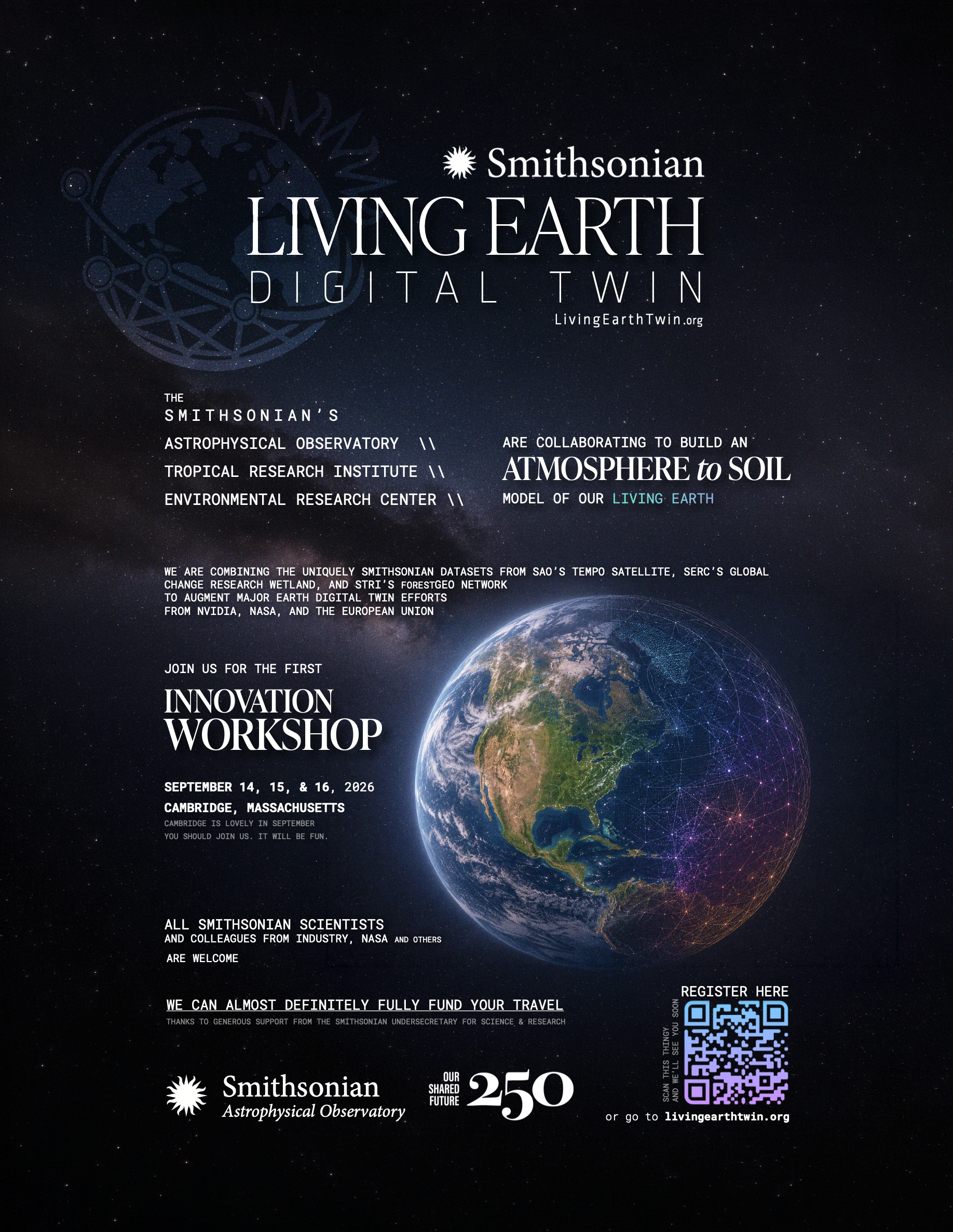
Innovation Workshop poster preview PDF ↗

Innovation Workshop poster

We'll be getting this and other LEDT visual materials printed professionally. Let Grant Tremblay know if you'd like copies to hang around your Unit (although, by that point, registration will be long closed, so it may be moot).

06 · Our Growing Team

Attendees

  • Shady Ahmed Pacific Northwest National Laboratory
  • Zolal Ayazpour Smithsonian Astrophysical Observatory
  • Heesung Chong Smithsonian Astrophysical Observatory
  • Gregory Ciccarelli Smithsonian Astrophysical Observatory
  • Molly Corder National Zoo & Conservation Biology Institute
  • Raffaele D'Abrusco Smithsonian Astrophysical Observatory
  • Gene Rafael Estrada National Museum of Natural History
  • Mitchell Fiedler Smithsonian Office of Digital and Innovation
  • Garret Fitzpatrick Smithsonian Astrophysical Observatory
  • Etienne Fluet-Chouinard Pacific Northwest National Laboratory
  • Cecilia Garraffo Smithsonian Astrophysical Observatory Co-I
  • Gonzalo Gonzalez Abad Smithsonian Astrophysical Observatory
  • Alyssa Goodman Harvard University
  • Valentine Herrmann National Zoo & Conservation Biology Institute
  • Tejas Hiremutt Smithsonian Environmental Research Center
  • James Holmquist Smithsonian Environmental Research Center
  • Weizhen Hou Smithsonian Astrophysical Observatory
  • Sean Jungbluth San Francisco State University
  • Anna Kelbert Smithsonian Astrophysical Observatory
  • Lydia LaGorga Smithsonian Environmental Research Center
  • Abigail Lewis Smithsonian Environmental Research Center
  • John Lewis Harvard University
  • Rafael Martínez-Galarza Smithsonian Astrophysical Observatory
  • Michael McCarthy Smithsonian Astrophysical Observatory Co-I
  • Patrick Megonigal Smithsonian Environmental Research Center Co-I
  • Joe Miller Smithsonian Astrophysical Observatory
  • Edward Monk Smithsonian Office of Digital and Innovation
  • Catherine Nowakowski Smithsonian Environmental Research Center
  • Justin Nowakowski Smithsonian Environmental Research Center Co-I
  • Caroline Nowlan Smithsonian Astrophysical Observatory Co-I
  • Genevieve Noyce Smithsonian Environmental Research Center
  • Thomas Orrell National Museum of Natural History
  • Martin Paegert Smithsonian Astrophysical Observatory
  • Junsung Park Smithsonian Astrophysical Observatory
  • Carey Pelc Smithsonian Environmental Research Center
  • Stephanie Pennington Pacific Northwest National Laboratory
  • Budhan Pukazhenthi National Zoo & Conservation Biology Institute
  • Suvarna Punalekar Smithsonian Environmental Research Center & National Zoo
  • Peter Regier Pacific Northwest National Laboratory
  • Roy Rich Smithsonian Environmental Research Center Co-I
  • Kate Rodriguez-Clark National Zoo & Conservation Biology Institute
  • Oris Sanjur Smithsonian Tropical Research Institute Co-I
  • Kugu Scott Harvard University
  • Randall Smith Smithsonian Astrophysical Observatory Co-I
  • Taylor Smith Smithsonian Environmental Research Center
  • Rebecca Snyder Smithsonian Office of Digital and Innovation
  • Milton Solano Smithsonian Tropical Research Institute
  • Mark Torchin Smithsonian Tropical Research Institute Co-I
  • Grant Tremblay Smithsonian Astrophysical Observatory PI
  • Sarah Tweedt National Museum of Natural History
  • Patricia Udomprasert Smithsonian Astrophysical Observatory
  • Kate Vavra-Musser National Museum of Natural History
  • Lakshmi Vishwanath Smithsonian Environmental Research Center
  • Francisco Werner National Museum of Natural History
  • Jaxine Wolfe Smithsonian Environmental Research Center
  • Erika Wright Smithsonian Astrophysical Observatory

Have you registered, but you don't see your name? Or have we made a silly mistake somewhere? Email TremblayG@si.edu right away and let him know!

James Smithson's own handwriting from his will and testament, which founded the Smithsonian “for the increase and diffusion of knowledge”. This project, like all of the Smithsonian's research units, is strongly aligned with this vision.